
How to Choose the Right Portable Toilet Equipment for Your Job Site or Event
Portable toilets are not one-size-fits-all. The right setup depends on where they’re going, how long they’ll be there, how many people will use them, and what regulations apply. Choosing correctly avoids service issues, compliance problems, and unnecessary costs. This guide explains how to think about portable toilet equipment so you get exactly what your project or event requires.
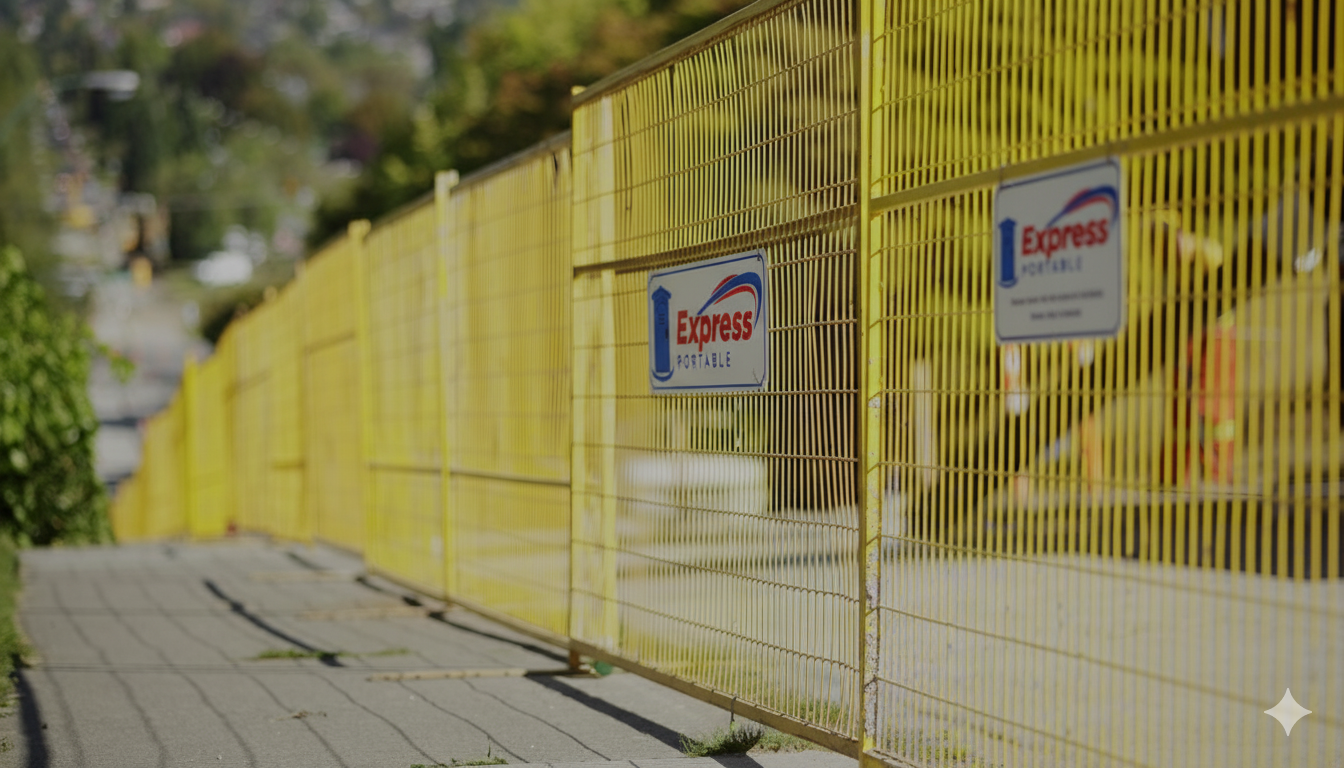
Portable fencing and porta rentals are critical for site sanitation and security.
1. Start With the Type of Project
The first decision is not how many units you need. It’s what kind of site you’re supporting.
Construction sites: long-term use, predictable crews, routine servicing. Durability and reliability matter more than appearance. These sites typically require standard portable toilets and handwash stations, serviced on a regular schedule.
Events (festivals, weddings, public gatherings): short-term, high-volume use. Cleanliness, capacity, and presentation matter. Depending on the event, this may include upgraded units, ADA units, or restroom trailers.
Municipal and public projects: often require strict compliance with ADA and health department rules. Equipment selection must meet documented requirements, not just practical needs.
Emergency or temporary response sites: fast deployment and flexibility matter most. Equipment must be easy to place, service, and adjust as conditions change.
The right equipment mix depends entirely on which of these categories your project falls into.
2. Core Portable Toilet Options
Standard Portable Toilets
These are the most common units used on construction sites and job locations. They are durable, cost-effective, and easy to service regularly. Their best use is:
Construction and infrastructure projects
Long-term rentals
Job sites with consistent crews
ADA / Wheelchair-Accessible Units
These are larger units designed to meet accessibility requirements. Many jobs legally require a minimum number of ADA-compliant units. Their best use is:
Public-facing sites
Events open to the general public
Projects with regulatory or municipal oversight
Event-Grade Portable Toilets
Event-Grade units are newer and roomier than a standard construction unit, and come with upscale options such as installed sinks and flushable toilets for even better quality and cleanliness for large crowds. Their best use is:
Large and small events private and public events
Stadium / event location placements
High-end / VIP events
Handwash Stations
Handwash stations are no longer optional on most sites. They are typically paired with standard toilets to support hygiene and compliance. Their best use is:
Construction sites
Food service or public events
Projects with health department requirements
Restroom Trailers
Restroom trailers provide a higher-end experience with flushing toilets, sinks, and climate control. They require more planning, power access (direct or generator), and service coordination. Their best use is:
Weddings and private/luxury events
VIP event areas
High-visibility or premium locations
3. How Usage and Duration Affect Equipment Choice
Two factors heavily influence what equipment makes sense:
Number of users: More people means more units or more frequent service. Underestimating usage leads to poor sanitation and complaints.
Length of rental: A one-day event and a six-month construction project require completely different approaches. Long-term sites prioritize durability and service efficiency. Short-term events prioritize capacity and appearance.
Correct planning balances unit count, unit type, and service frequency.
4. Compliance and Local Requirements
Many projects are subject to rules that dictate equipment selection, including:
ADA accessibility ratios
Required handwash stations
Minimum units per worker or attendee
Local health department standards
Meeting these requirements upfront avoids delays, fines, and last-minute changes.
5. Why Equipment Quality Matters
Not all portable toilets are equal. Quality affects:
Cleanliness between service visits
Odor control
User comfort
Reliability over long rentals
Well-maintained, professional-grade equipment reduces disruptions and reflects better on your site or event.
6. Getting the Right Mix Matters More Than Getting More Units
Over-ordering wastes money. Under-ordering creates problems. A properly planned setup performs better and costs less over the life of the rental. The goal is a balanced setup:
Enough standard units to handle daily use
ADA units where required
Handwash stations to support hygiene
Specialty options only when they make sense
DON’T FORGET SECURITY & CROWD CONTROL: look to Express for temporary fencing solutions to secure your site or help with crowd control!
Final Takeaway
Choosing portable toilet equipment is about matching the right solution to the job—not guessing. Project type, duration, user count, and compliance requirements all determine what works. At Express Portable, equipment selection is planned around real-world usage, local regulations, and service efficiency so your site stays compliant, clean, and uninterrupted from day one.